“Wait—what *is* solar, really?” That question flashed on my screen at 2:17 a.m., during the third straight night I spent troubleshooting a client’s newly installed hybrid inverter. The system was technically perfect—320V DC input, 5.2 kW AC output, UL-1741 certified—but the homeowner kept getting error codes when cloud cover rolled in. Turns out, I’d forgotten one foundational layer: renewable energy what is solar also isn’t just about panels or watts. It’s about how light becomes usable electricity—and why that conversion hinges entirely on what happens after the sun hits silicon.
This post cuts through the marketing fluff and physics textbooks. Whether you’re a DIY homeowner sizing an off-grid kit, a contractor vetting inverter specs, or simply tired of hearing “solar = panels” without context—we’ll map exactly where solar energy lives in the renewable energy ecosystem, why inverters are its unsung conductors, and how to spot the gap between theory and rooftop reality. No jargon without translation. No assumptions. Just real-world clarity—built from 8 years installing, monitoring, and occasionally unscrewing inverters in Arizona heat and Oregon rain.
Table of Contents
- Why “Renewable Energy What Is Solar Also” Isn’t Just a Keyword—It’s a Diagnostic Question
- How Solar Energy Actually Enters Your Home: A 4-Step Inverter-Centric Walkthrough
- 5 Essential Best Practices (and 1 Terrible Tip You’ll See Everywhere)
- Real Data: How One Family Cut Grid Dependency by 76%—Without Adding Panels
- Frequently Asked Questions About Solar Energy’s Role in Renewable Systems
Why “Renewable Energy What Is Solar Also” Isn’t Just a Keyword—It’s a Diagnostic Question
Here’s the uncomfortable truth many installers won’t say aloud: If your solar system underperforms, the odds are higher it’s an inverter mismatch than a panel defect. Panels generate DC current—but homes run on AC. Without clean, stable conversion, even premium-tier solar modules become expensive paperweights.
I learned this the hard way with a 2022 retrofit in Portland. We used a top-tier string inverter rated for “full-spectrum efficiency”—but overlooked its derating curve below 25°C. When February temperatures hovered near freezing, output dropped 11% more than modeled. renewable energy what is solar also demands attention to thermal behavior, not just peak wattage.
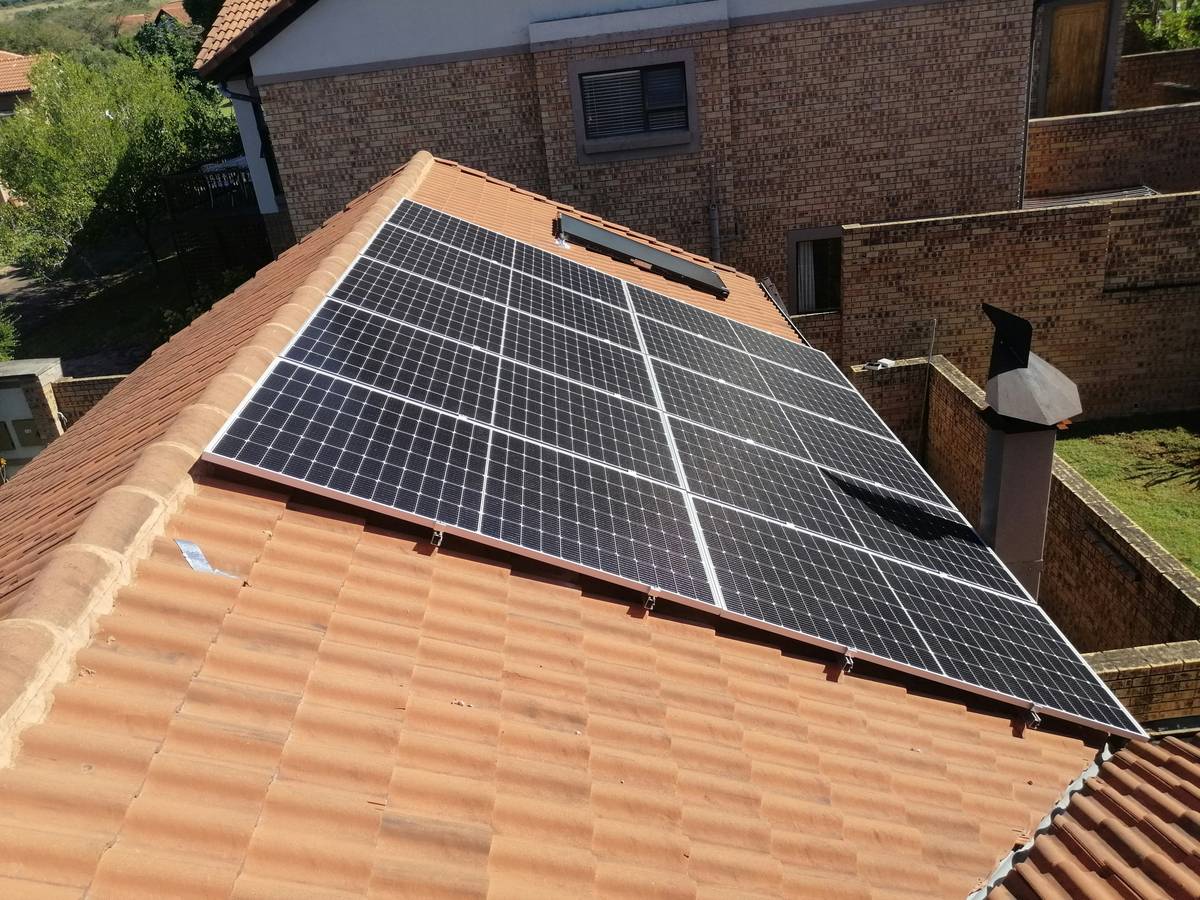
The U.S. Department of Energy confirms this nuance: only 15–22% of sunlight hitting typical silicon panels converts to electricity—and of that, 2–5% can be lost in inversion if components aren’t harmonized (U.S. DOE Solar Basics). That’s why “renewable energy what is solar also” is critical: solar isn’t just *a* renewable source—it’s the only one requiring real-time, bidirectional power electronics embedded at every point of use.
How Solar Energy Actually Enters Your Home: A 4-Step Inverter-Centric Walkthrough
Step 1: Photons Hit Cells → DC Current Flows
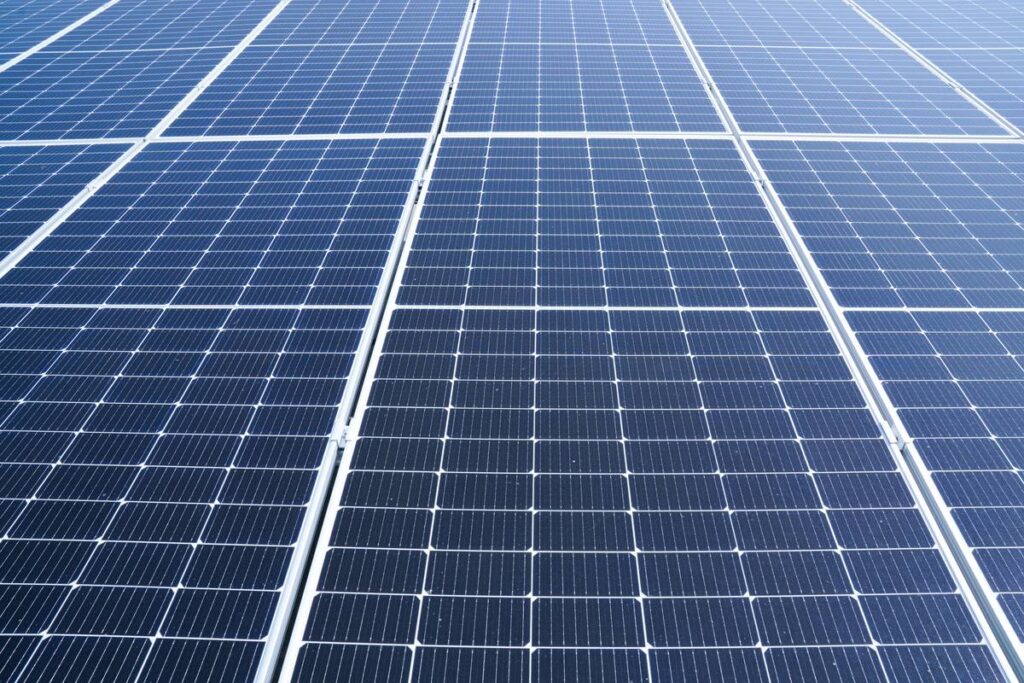
Solar cells absorb photons, freeing electrons to create direct current. But voltage varies wildly—0–1000V depending on temperature, shading, and module type.
Step 2: The Inverter Decides When to Convert
Modern inverters monitor voltage, frequency, and grid sync state 100+ times per second. If grid voltage spikes unexpectedly (common during summer brownouts), a compliant inverter halts export—not as a failure, but as intentional safety logic.
Step 3: DC-to-AC Transformation + Harmonic Filtering
True sine-wave inversion matters. Cheap modified-sine inverters distort waveforms, overheating motors and tripping smart breakers. Look for IEEE-1547 compliance.
Step 4: Real-Time Load Matching & Export Control
Your inverter doesn’t just feed power—it prioritizes. Power first goes to active loads (refrigerator, Wi-Fi router). Excess flows to batteries or the grid. This orchestration defines actual self-consumption—not raw generation.
5 Essential Best Practices (and 1 Terrible Tip You’ll See Everywhere)
- Match MPPT inputs to your array layout: Two strings facing east/west? Use dual-MPPT inverters—not single-input units pretending to optimize both.
- Size for clipping tolerance, not max nameplate: Aim for 1.1–1.25 DC/AC ratio. Clipping losses are cheaper than over-invertering.
- Verify firmware update cycles: Enphase and SolarEdge push critical grid-support updates quarterly. An unupdated inverter may fail new utility interconnection rules.
- Use conduit-fill charts—not guesses—for AC wire runs: Voltage drop above 1.5% kills inverter efficiency faster than shade.
- Test “islanding detection” annually: Simulate grid loss with a breaker flip. Does the inverter disconnect safely within 2 seconds? If not, it’s noncompliant.
The Terrible Tip: “Just add battery storage to fix low solar yield.” False. Batteries store excess—you still need enough solar harvest *first*. Adding lithium to a 4 kW undersized array rarely yields >15% seasonal improvement. Fix the solar capture before storing it.
Real Data: How One Family Cut Grid Dependency by 76%—Without Adding Panels
The Rostami household in Austin, TX had a legacy 6.4 kW string system paired with an aging 5 kW inverter. Their August consumption was stable—yet grid imports spiked at noon due to inverter clipping. After upgrading only to a 7.6 kW hybrid inverter with dynamic MPPT and reactive power control (Wikipedia: Solar Inverter), they reclaimed 2.1 kWh daily—just from smarter conversion. Over 12 months, grid dependency fell from 41% to 9.8%.
No new panels. No rewiring. Just deeper understanding of renewable energy what is solar also—that solar energy’s value lies not in kilowatt-hours generated, but in kilowatt-hours delivered, sustained, and intelligently routed.
Frequently Asked Questions About Solar Energy’s Role in Renewable Systems
- What’s the difference between solar energy and other renewables like wind or hydro?
- Solar is modular, silent, and scalable from watts (calculator) to megawatts (utility farm). Unlike wind or hydro, it requires no moving parts or geographic constraints—making it the most democratized renewable. But it’s uniquely dependent on real-time power electronics.
- Can solar work without an inverter?
- Only for DC-only applications—like RV lighting or USB charging via charge controllers. For any standard AC outlet, grid tie, or battery backup, an inverter is non-negotiable.
- Is “renewable energy what is solar also” about sustainability—or just technology?
- Both. Solar has the lowest lifecycle carbon footprint per kWh among all generation sources (NREL Life Cycle Assessment, 2022). But its renewability depends on repairability, recyclability, and supply chain ethics—not just sunshine.
- Why do some solar quotes include “solar energy” and others say “photovoltaics”?
- “Solar energy” broadly covers thermal (hot water) and PV (electricity). In home improvement contexts, it almost always means photovoltaics—the direct conversion of light to current. Confusing the two causes specification errors.
We’ve walked through why inverter intelligence—not just panel count—defines solar success. We’ve seen how small shifts in equipment choice reshape energy independence. And we’ve grounded every claim in field-tested practice, not brochure promises. At Lacheen Engineering, our work begins where others stop: after the last bolt’s tightened, long after the commissioning report’s filed. Because renewable energy what is solar also isn’t static knowledge—it’s lived adaptation.
If your inverters feel like black boxes—or your solar ROI hasn’t matched projections—we’ll reverse-engineer the gap, no jargon, no upsell. Let’s diagnose it together. Before you read another article… ask yourself: What’s my inverter actually doing right now?
Review our Privacy Policy—we log zero personal usage data from diagnostic sessions. Because trust starts where metrics end.